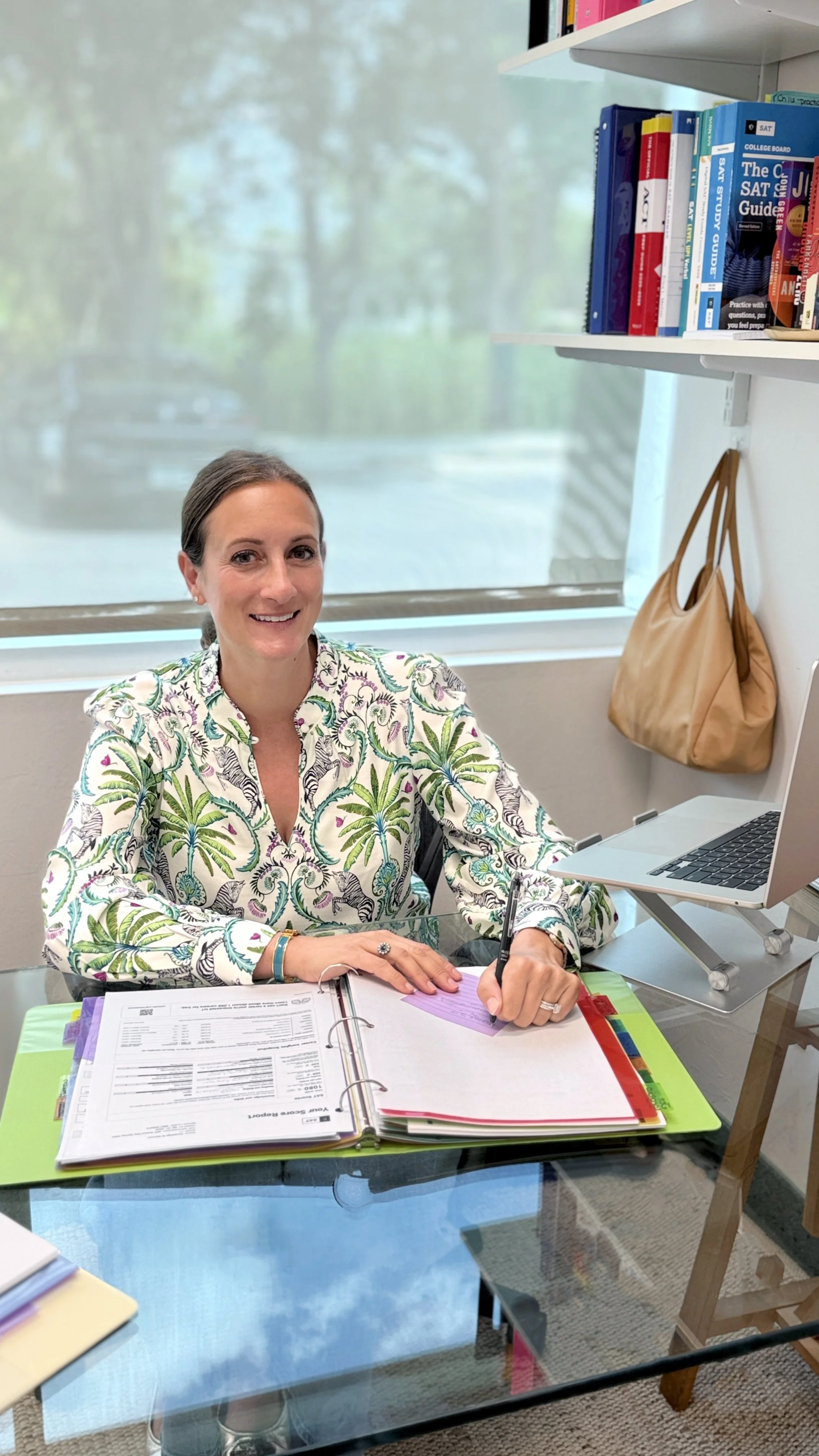
What Starting Early Actually Looks Like: Building Study Skills and Habits Before School Gets Hard
One of our favorite quotes at WayPath is: "You can't stop the waves, but you can learn to surf." The older we get, the more we believe that quote applies as much to parenting as it does to students.
As educators with decades of experience and as parents ourselves, we've spent a lot of time thinking about what helps young people thrive. And we've come to believe that perhaps one of the greatest gifts we can give our children isn't the ability to avoid challenges.
It's the confidence to face them.
What If the Struggle Isn’t the Problem?
Before you close this article and accuse us of wanting children to suffer, hear us out. We're not talking about unnecessary suffering. We're not talking about ignoring anxiety, ADHD, dyslexia, learning disabilities, or students who genuinely need additional support. In fact, helping those students has been the focus of our careers. We're not talking about abandoning children and hoping they simply figure things out on their own.
What we are talking about is the uncomfortable truth that growth and struggle often travel together. And that can be incredibly difficult for parents to accept. Because we get it. We're parents, too.
When our children struggle, every instinct tells us to step in. To solve the problem. To smooth the path. To protect them from disappointment. Sometimes helping feels like love. But we also need to remember that sometimes love looks like trusting the process.
The goal isn't to eliminate every struggle. It's to help our children develop the tools they'll need to navigate those struggles when they come, because things will get hard. It’s inevitable.
There will be difficult classes, challenging teachers, disappointments, and setbacks.
There will always be waves.
How to Help Your Child Succeed in School Without Adding More Pressure
Sometimes love means stepping back just enough to allow growth to happen, and trusting the process doesn't mean doing nothing.
In fact, we've found that the families who navigate challenges most successfully aren't the ones who wait until there's a crisis. They're the ones who have spent years quietly building habits, routines, and support systems that make it easier for students to weather the storms when they inevitably come.
And perhaps that's what starting early actually looks like. Not more pressure, endless worksheets, and certainly not hovering over every assignment. Instead, it's building habits and support systems before they become necessary.
Create Family Focus Time and Model Good Study Habits
One of the most powerful things families can do is simply normalize focused work.
Students can do homework while parents answer emails, pay bills, read, or tackle projects of their own. Children learn far more from what we model than what we say, and over time, focus becomes part of the family culture rather than something that only appears when grades start slipping.
Strong study habits are built long before students encounter their most difficult classes.
Build Executive Functioning Skills Through Everyday Organization
Executive functioning isn't just a school skill. It's an invaluable life skill.
A family calendar, planner, whiteboard, or checklist helps everyone stay organized. Upcoming tests, practices, appointments, and commitments stop living inside someone's head.
These simple systems help students develop organization, planning, and time-management skills that support academic success throughout middle school, high school, and beyond.
Build Relationships with Teachers Before There Is a Problem
Encourage students to stop by during study hall, attend office hours, or simply check in with a teacher to make sure an assignment is headed in the right direction.
One of our favorite pieces of advice is simple: Don't wait until you're drowning to introduce yourself to the lifeguard.
Parents can do the same thing. Positive communication with teachers creates trust and partnership long before frustration enters the picture.
Encourage Study Groups and Peer Accountability
Learning doesn't have to happen alone.
Study groups, peer accountability, and collaborative review sessions can make difficult material feel far less overwhelming. Students often learn just as much by teaching concepts to their friends as they do by reviewing notes themselves.
Sometimes the greatest benefit isn't even academic. It's realizing they aren't struggling alone.
Building Resilience and Confidence in Students
None of these habits guarantee that students won't face challenges, but students who have developed communication skills, executive functioning skills, healthy routines, and the confidence to ask for help are far better equipped to navigate them.
So now we’re back to where we began.
We can't stop the waves. But we can help our children learn how to surf.
And perhaps that's what starting early is really about. It’s not eliminating every obstacle or rescuing our children from every struggle. Rather, it’s about helping them develop the habits, confidence, and resilience they'll need long after the report cards are gone.
________________________________________________________________________________
How We Help
At WayPath Academics, we believe every family can begin building these habits, whether or not they need outside support. For some students, that journey happens naturally at home. For others, an experienced guide can provide encouragement, accountability, and personalized strategies along the way.
Through academic coaching, executive functioning support, and individualized tutoring, we help students build the confidence and skills they need to thrive—in school and beyond.